Reading Dog Body Language Before Stress Takes Over
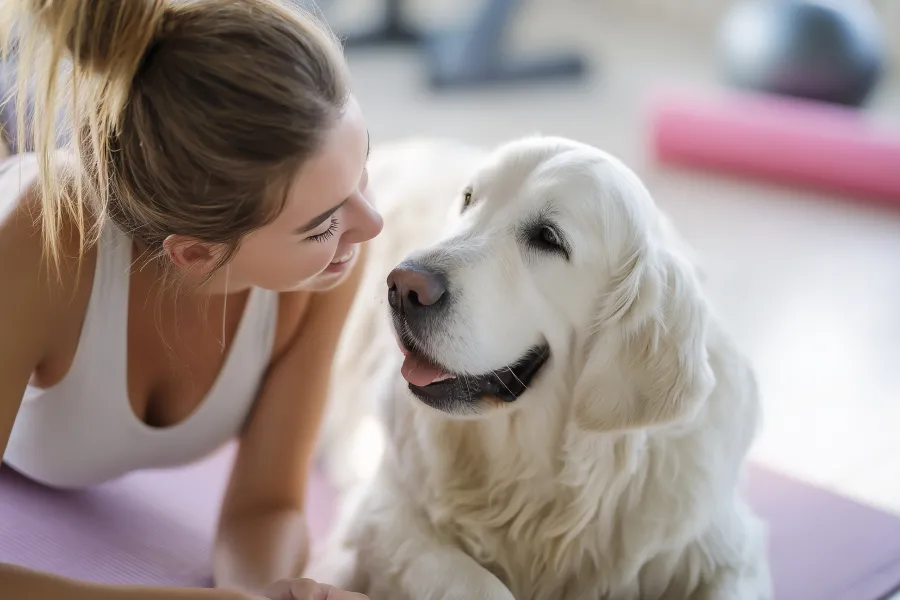
Most owners search how to read dog body language after a growl, a snap, or a sudden “Where did that come from?” moment. You can spot the warning signs much earlier, if you know what to look for.
You already watch your dog every day, so you already have the raw data. The problem starts when you read one signal in isolation and ignore the rest.
A wagging tail can look friendly, but a stiff body can say “I feel trapped,” and those mixed messages confuse people fast.
That is why I keep one simple rule in mind: look for clusters, not clues. When you read multiple signals together, you stop guessing and start responding with confidence.
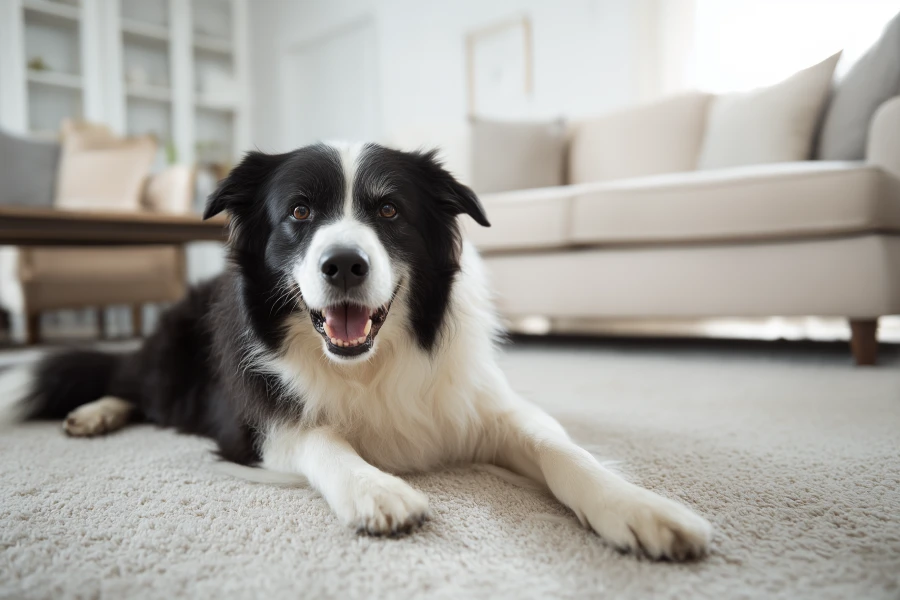
The Fast Way To Stop Guessing And Start Noticing Patterns
Start with a baseline, because every dog has a “normal.” Some dogs carry their tails high, while others keep them low at rest. Some dogs play loudly, while others play like quiet ninjas.
Spend two days observing your dog during calm moments. Watch them on a relaxed walk, after a nap, and while they chew a favorite toy.
Once you know your dog’s baseline, you can spot stress early. Stress does not always look dramatic, and it often shows up as tiny “I feel weird” behaviors.
Your dog might lick their lips, yawn, turn away, or suddenly sniff the ground like it holds secrets.
If you want a structured way to map these patterns, Understanding Your Pet’s Temperament: A Complete Guide to Decoding Dog and Cat Behavior for Better Care and Training breaks temperament into clear categories and shows you what to watch for day to day.
How To Read Dog Body Language When Your Dog Feels Unsure
In uncertain moments, your dog tries to create distance or regain control. They might freeze, lean away, or turn their head as if they suddenly remember something important. Many owners miss these signals because they look “polite.”
Watch the mouth first, because it changes quickly. A relaxed mouth looks soft, and the corners sit loose. A tense mouth looks tight, and the lips pull forward or clamp shut.
Now check the eyes, because dogs “talk” with their gaze. Soft eyes blink naturally and avoid hard staring. Tense eyes look wide, show more white, or lock onto a person or dog.
Then check the body, because posture tells the truth. A loose body shifts weight easily and moves in curves. A tense body locks up, leans forward, or leans backward like a coiled spring.
The Small Signals That Matter More Than The Big Ones
People fixate on tails, but tails can lie. A fast wag can mean joy, or it can mean agitation, depending on the rest. Instead, pay attention to what your dog does with their weight.
A confident dog distributes weight evenly and moves freely. A worried dog shifts weight back, lifts a paw, or leans away. An aroused dog shifts weight forward and tightens muscles across the shoulders.
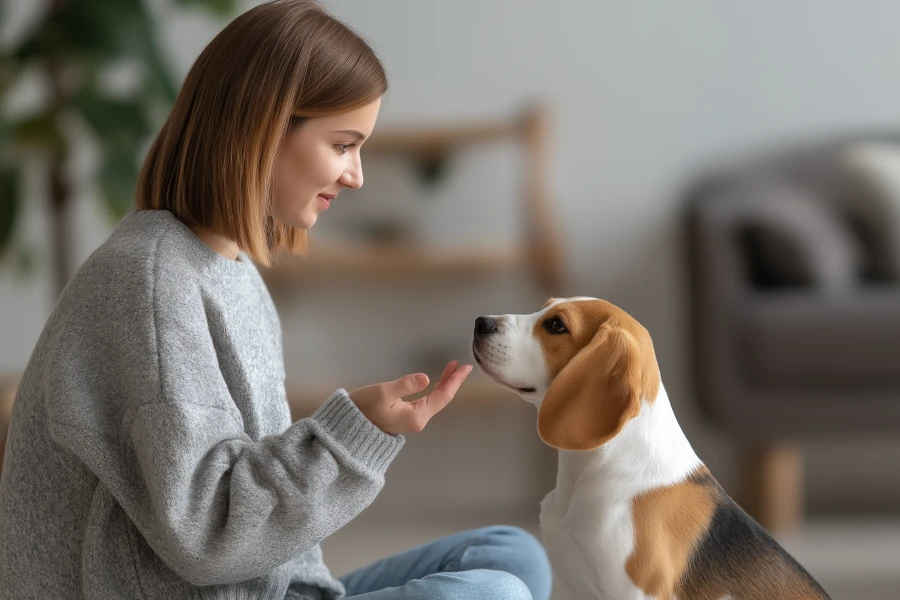
Also watch what your dog does between actions. A dog who plays, then pauses, then re-engages usually feels safe. A dog who plays without pause and cannot disengage often feels overstimulated.
Here are common “quiet stress” signals that owners often misread:
- Your dog yawns when no one looks sleepy, and the yawn repeats during social pressure.
- Your dog licks their lips after a stranger reaches toward their head.
- Your dog shakes off like they got wet, right after a tense moment.
- Your dog sniffs the ground suddenly, right when another dog approaches.
When you notice these signals, you can adjust the situation fast. You can add distance, reduce chaos, or switch to a calmer activity.
How To Read Dog Body Language When Guests Walk In
Guests bring noise, movement, and intense eye contact, and dogs feel all of it. Many dogs want to greet but also want space, so they bounce between excitement and discomfort.
Set your dog up for success before the doorbell. Put a chew on a mat, or scatter treats in a safe spot. Then ask guests to ignore your dog for the first minute.
Look for these “green light” signs during greetings: loose body, curved approach, soft mouth, and the ability to disengage. Look for “yellow light” signs: stiff posture, hard staring, tight mouth, and slow freezing pauses.
Cats Also Communicate, And They Do It On Purpose
Cats do not “act random,” even when they pretend they do. If you want fewer scratches, fewer swats, and fewer dramatic exits, start reading cats body language with the same respect you give dogs.
A relaxed cat keeps a loose tail, soft whiskers, and slow blinks. A stressed cat flicks the tail tip, flattens ears, and tightens the body. A scared cat crouches low, widens eyes, and looks for escape routes.
When people ask how to correct cat behavior, I usually start with one question. “What happens right before the problem starts?” That clue often reveals a trigger like overstimulation, boredom, or rough handling.
If your cat bites during petting, watch for early warnings. The skin ripples, the tail flicks, and the ears rotate back. Stop petting before the bite, and your cat learns that communication works.
The same logic helps your dog too. When communication works, your pet stops escalating.
How To Read Dog Body Language During Play So It Stays Friendly
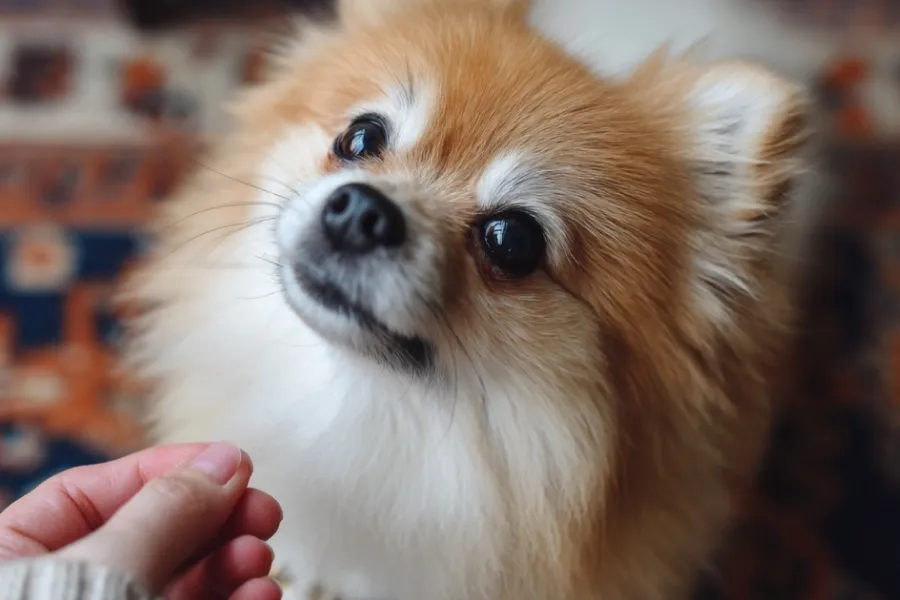
Play looks chaotic, but it follows rules. Dogs who play well take turns and pause often. They use bouncy movement, loose mouths, and curved approaches.
Watch for the play bow, because it signals friendly intent. The dog drops the front legs and keeps the rear up. Many dogs bow right before they chase, because they want to keep the game polite.
Also watch for “consent checks.” A good play partner pauses, then re-engages when the other dog chooses to continue. If one dog keeps pressing without breaks, the other dog often freezes or tries to escape.
A Real Customer Moment That Made Me Smile
I spoke with a reader named Mia who bought Understanding Your Pet’s Temperament after a chaotic month at home.
She told me, “I thought my dog acted stubborn, but he actually felt overwhelmed, and I kept missing the early signs.”
She laughed when she admitted she used to narrate his tail wag like a sports announcer, and she ignored everything else.
Mia said the guide helped her spot temperament patterns and stress reactions, so she stopped forcing greetings and started using shorter, calmer setups.
She also loved the real-life examples and the practical steps, because she could try them the same day.
Her favorite win sounded simple, but it mattered. “My dog now walks past barking dogs without melting down, and I feel like we finally speak the same language,” she said.
That line hit me, because better behavior often starts with better understanding.
A Temperament Lens For Pets With Personality
Some pets charge into new situations like they own the place. Others prefer slow warm-ups and quiet corners. When you respect those differences, you avoid so many behavior battles.
I like thinking in “energy styles” instead of labels. You might have a cautious dog who needs space, or a social dog who needs structure.
You might have a high-drive dog who needs jobs, or a sensitive dog who needs softer handling.
That is why the phrase pets with personality matters so much, because temperament shapes everything. It shapes training speed, social comfort, and stress tolerance. It even shapes how your pet relaxes at home.
If you want a single resource that keeps all those pieces organized, A Complete Guide to Decoding Dog and Cat Behavior for Better Care and Training includes temperament categories, stress and comfort cues, common owner mistakes, and practical next steps for routines and training.
What Changes When You Read Signals Earlier
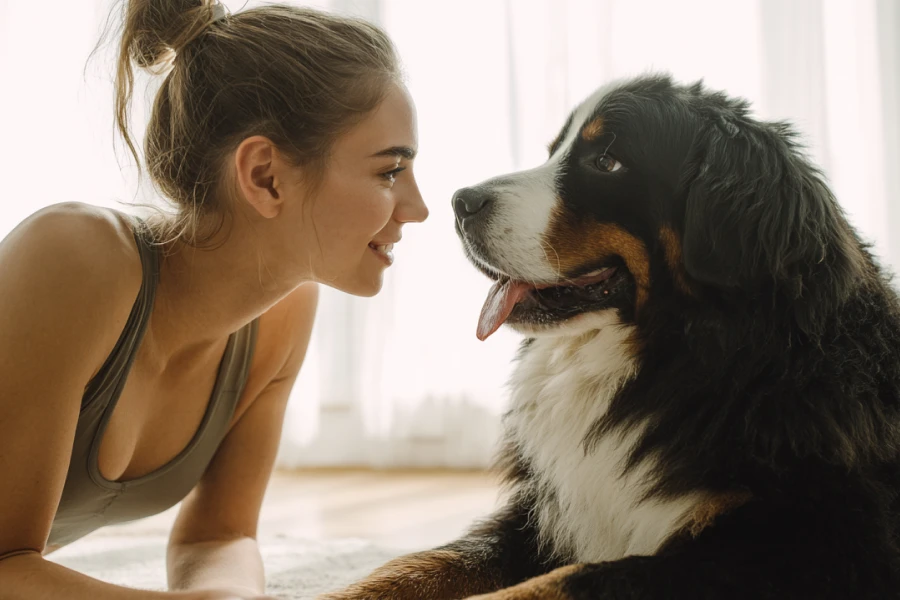
When you notice signals earlier, you prevent problems instead of managing explosions. You also build trust, because your pet sees you respond with fairness.
That trust makes training smoother, because your pet stays present instead of defensive.
You do not need to perfect every situation. You just need to improve your timing and your observations. Start with one context, like greetings, walks, or play, then build from there.
If you want extra structure, I like how A Complete Guide to Decoding Dog and Cat Behavior for Better Care and Training focuses on better communication, easier training, and stronger bonding through temperament-aware care.
Your dog and cat already communicate all day long. When you learn to listen with your eyes, your whole home feels calmer.

Was this article helpful?
Yes
No
Leave a comment