Mastering Digital Etiquette as A Key to Online Confidence and Communication
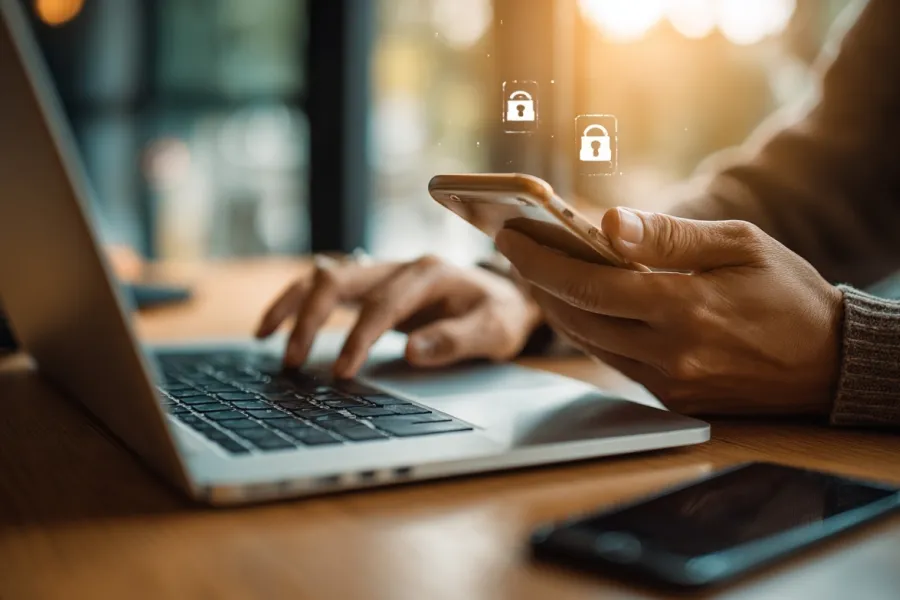
In today’s connected world, having digital etiquette isn’t just a nice-to-have; it’s essential. Whether you’re browsing social media, sending an email, or making online purchases, understanding the nuances of digital etiquette is crucial to ensuring a smooth online experience.
But what exactly is digital etiquette, and why should we care about it?
What is Digital Etiquette and Why It Matters

At its core, digital etiquette refers to the accepted behaviors and practices in the online space.
Just like manners in the real world, digital etiquette dictates how we interact online, ensuring our actions promote respectful and effective communication.
But, it’s not just about politeness, it’s also about tech confidence. People who master digital etiquette feel more comfortable engaging in online spaces, from social networks to professional environments.
Understanding digital literacy and its role in education is essential. With more learning happening online, students need to navigate the internet safely and respectfully.
Without proper digital skills, students risk falling into common pitfalls like miscommunication or misunderstanding the digital space’s boundaries.
Fortunately, it’s possible to improve your digital competence by learning how to stay safe online and adopt good digital practices.
Key Elements of Digital Etiquette
1. Stay Mindful of Your Tone and Intent
When communicating online, it’s easy to misinterpret someone’s tone. Without face-to-face interaction, emails or texts can come across as rude or curt, even when they’re not meant to be.
That’s why it’s essential to think before you type. Using polite greetings, taking time to check for typos, and being clear in your messaging all contribute to better digital etiquette.
2. Respect Privacy
As we move more of our lives into the digital realm, respecting privacy becomes increasingly important. Sharing sensitive information without consent can cause significant harm.
Learn how to set boundaries for yourself and others in digital spaces. Remember, asking before forwarding or sharing is a key principle in digital etiquette.
3. Be Responsible with Your Digital Footprint
Every action you take online leaves a trace. Your posts, comments, and pictures are part of your digital legacy. It’s essential to be mindful of your online presence, especially when it comes to social media.
Make sure you’re not sharing personal or confidential details and think twice before posting something that could come back to haunt you.
How to Stay Safe Online
Staying safe online is really about small, steady habits that protect you in the background.
Start by avoiding oversharing personal information. Posting your full birth date, home address, daily routine, or travel plans can make you more vulnerable to identity theft or unwanted contact. Share thoughtfully, not automatically.
Use strong, unique passwords for every account. If remembering them feels impossible, a password manager can generate and store secure combinations for you. Reusing passwords across sites is one of the easiest ways for hackers to gain access.
Stay informed about current security practices. Technology evolves quickly, and so do online threats. Keeping up with basic security updates and new protection features helps you stay one step ahead.
Be cautious when using public Wi-Fi. Free networks in cafes, airports, or hotels are convenient but often less secure. Avoid logging into bank accounts or handling sensitive information unless you are using a secure connection.
Finally, use trusted websites for purchases and personal transactions. Look for secure connections indicated by HTTPS and an SSL certificate in the browser. If a site looks suspicious or poorly designed, trust your instincts.
Online safety is not about fear. It is about awareness. When these practices become routine, your digital life becomes much more secure without adding stress to your day.
Why Mastering Digital Etiquette Leads to More Tech Confidence

Building tech confidence is about feeling comfortable and in control when using digital tools. Digital etiquette plays a crucial role in this.
When you know the rules of engagement, you’ll find that online interactions become smoother, more enjoyable, and less stressful.
You’ll develop stronger relationships, build your online reputation, and gain more confidence in your digital skills. This can lead to greater success in both personal and professional realms.
Mastering digital literacy is an investment in yourself. You’ll not only become proficient in staying safe online but also develop the ability to communicate clearly and respectfully in digital spaces.
It’s an essential life skill that opens doors to opportunities in education, the workplace, and beyond.
Digital Etiquette Tips for Better Online Communication
Good digital etiquette is basically social intelligence with Wi-Fi. A few mindful habits can instantly upgrade how you show up online.
Start by thinking before you post. Ask yourself if what you are sharing aligns with your values and the tone you want associated with your name. Screenshots last forever. A quick pause protects your reputation.
Use proper formatting to make your messages easy to read. Break up long blocks of text, use short paragraphs, and keep your main point clear. People skim online. If it looks overwhelming, it often gets ignored.
Respond in a timely manner when possible. You do not need to be available 24/7, but leaving messages unanswered for long periods can feel dismissive. Even a short acknowledgment goes a long way.
Be courteous and respectful, especially in disagreements. Avoid harsh language, sarcasm that can be misread, or inflammatory statements. Tone is harder to interpret online, so clarity and calmness matter more than ever.
And finally, know when to mute or block. Protecting your peace is part of healthy communication. If someone is consistently disrespectful, you are not obligated to engage. Boundaries are good digital manners too.
When you practice these habits consistently, your online presence feels thoughtful, professional, and grounded. And that kind of energy stands out.
Real Stories: How the Digital Literacy Guide Made a Difference

To make this all more relatable, I spoke with Jessica, a freelance graphic designer who decided to invest in the Digital Literacy for Everyday Life Guide after struggling to navigate digital spaces confidently.
“I was always worried about making mistakes online: whether it was sending the wrong email or not knowing the safest way to make a purchase,” she told me.
Jessica found the guide to be a game-changer.
“I never realized how important digital etiquette is until I used the guide. I’ve learned how to communicate more effectively with clients through email, and I’m now more confident when participating in online forums or social media.”
She continued, “The guide really breaks down everything in a way that makes it easy to apply. There’s even a checklist that I keep handy to ensure I’m practicing good digital etiquette every day.”
“It’s given me the tools to protect my privacy, and I now feel empowered to communicate and work online without worrying about crossing any lines.”
For someone like Jessica, who frequently interacts with clients online, mastering digital literacy wasn’t just a matter of avoiding mistakes; it became a foundation for professional growth.
She emphasized, “The tech confidence I’ve gained has helped me secure more freelance projects because clients feel assured that I understand how to navigate the digital world professionally.”
Hearing how Jessica was able to improve her communication and tech skills, it’s clear that the Digital Literacy for Everyday Life Guide isn’t just an educational tool.
It’s a confidence booster, equipping users with everything they need to safely and successfully thrive online.
Expanding Your Digital Knowledge for a Safer, More Efficient Online Experience
Mastering digital etiquette goes hand-in-hand with becoming more tech-savvy in other areas of life. The more you learn about the internet and how it works, the more confident you’ll become in navigating digital spaces.
If you’re looking to build on what you’ve learned from the Digital Literacy for Everyday Life Guide, consider exploring these helpful articles that cover important aspects of managing your finances and learning how to focus effectively in a digital world.
For instance, if you’re feeling overwhelmed with the increasing cost of living and unsure of how to budget effectively, The Best Way to Budget Money When Life Feels Expensive can provide practical advice on managing your money in today’s digital age.
Financial security is part of digital competence, and learning to budget online, manage your spending, and track expenses can be a vital skill in boosting your tech confidence.
Another key element of digital success is focused learning. With so much information available online, staying focused and learning efficiently can sometimes be a challenge.
That’s where How to Focus on Studying: Master Your Learning Journey comes in.
This article offers actionable strategies to improve your focus and retention, which can help you absorb the information in your digital guides, like the Digital Literacy for Everyday Life Guide, more effectively.
It’s an excellent resource for anyone who wants to turn their digital knowledge into practical skills.
Also, if you’re feeling stuck or unsure of how to grow your digital presence and manage your goals, reading The Law of Abundance Feels Different When You Stop Chasing Money might provide a fresh perspective on how to approach your digital life.
The article explores how shifting your mindset and focusing on long-term digital growth can lead to better outcomes in both your online and offline worlds.
By diving into these resources, you’ll be able to improve your digital literacy in all areas of life, from online communication etiquette to personal finance and focus.
And when you combine all these skills with the foundation you’ve built from mastering digital etiquette, you’ll be well on your way to navigating the online world with confidence.
Building Your Digital Literacy with the Right Tools

If you’re looking for a resource to improve your digital etiquette and online communication, check out Digital Literacy for Everyday Life.
This guide will help you improve your understanding of digital literacy, online communication etiquette, and how to stay safe on the internet.
It also includes a digital competence checklist that ensures you’re on the right track.
This resource doesn’t just provide you with information; it equips you with practical tools to confidently navigate digital spaces.
With a strong foundation in digital etiquette, you’ll not only stay safe online but also build meaningful connections with others.
Remember, good digital etiquette is more than just knowing the “rules.” It’s about understanding the impact your online actions have on others and being proactive in fostering positive digital environments.
So, if you want to communicate effectively, stay safe online, and become more confident in your digital skills, start mastering your digital etiquette today!

Was this article helpful?
Yes
No
Leave a comment