Discover the Joy: Raise a Puppy with Confidence and Fun

Bringing a new furry friend into your home sparks excitement and a bit of nerves for many first-time owners. You wonder about the best ways to nurture that tiny bundle of energy into a well-behaved companion. Learning how to raise a puppy involves patience, consistency, and the right strategies from day one. This guide dives deep into practical steps that make the process enjoyable and rewarding for both you and your pup.
Building a Strong Bond from the Start
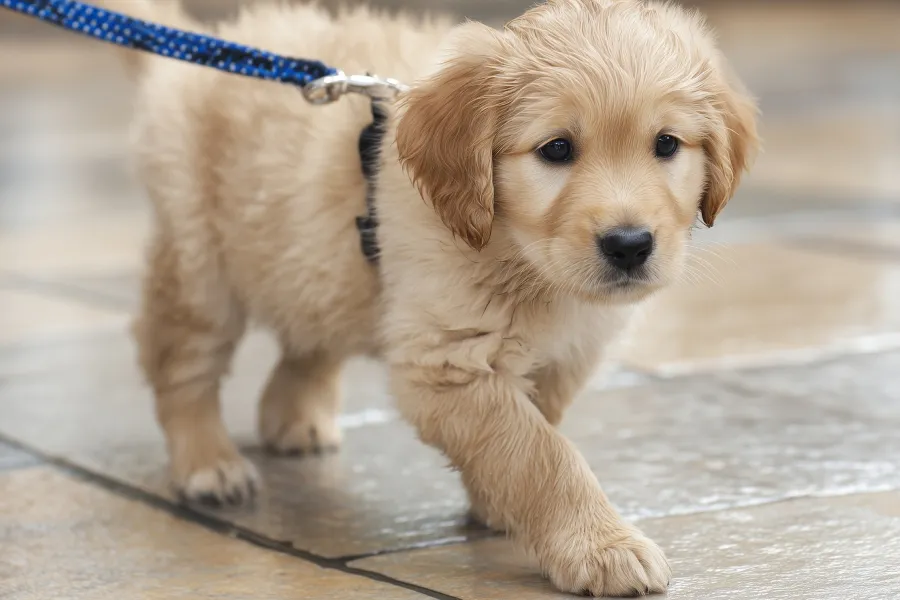
Start by creating a welcoming environment that fosters trust and security right away. Puppies thrive on routine, so establish a daily schedule that includes feeding times, play sessions, and naps.
Focus on positive reinforcement to encourage good behavior during these early days. Spend quality time cuddling and playing to strengthen your connection.
Remember, early interactions set the tone for a lifelong relationship filled with love and loyalty. Track progress daily to adjust as needed for optimal growth. This approach ensures your puppy grows confident and attached to you quickly.
Essential Supplies for Your New Companion
Gather key items before your puppy arrives to ease the transition for everyone involved. A cozy crate provides a safe space for rest and security during alone times.
Choose high-quality food bowls that suit your puppy’s size and breed needs. Stock up on chew toys to redirect teething behaviors away from furniture. Don’t forget a comfortable bed that offers warmth and support for growing bones.
Leashes and collars come next for safe outdoor adventures and training sessions. Pick up waste bags and cleaning supplies to handle messes efficiently.
Consider a baby gate to limit access to certain areas in your home. These tools help you manage daily life while focusing on education and fun activities. Prepare thoughtfully to make the first weeks smooth and stress-free.
Crafting the Perfect Puppy Routine
Developing a consistent puppy routine turns chaos into harmony for new owners everywhere. Feed your pup at the same times each day to regulate their digestion and energy levels.
Schedule short playtimes throughout the morning and afternoon to burn off excess energy. Include nap periods to prevent overtiredness and cranky behavior in evenings. Walks offer exercise and exposure to the world outside your door.
Adjust the schedule based on your puppy’s age and breed for best results. Puppies under three months need more frequent meals and potty breaks. Track eating habits to ensure they consume enough nutrients for healthy development.
This structure builds predictability that reduces anxiety for both you and your furry friend. Stick to it firmly to see improvements in behavior within weeks.
Mastering House Training Basics

Tips on house training a puppy vigilance and positive methods to achieve success without frustration. Take your puppy outside every two hours, especially after meals and naps.
Praise them enthusiastically when they eliminate in the right spot outdoors. Use a specific command like “go potty” to associate the action with the words. Clean accidents indoors with enzymatic cleaners to remove scents that attract repeats.
Monitor for signs like sniffing or circling that signal the need to go. Reward with treats immediately after correct behavior to reinforce the lesson.
Consistency from all family members speeds up the process significantly. Avoid punishment, as it creates fear and slows progress in training. With dedication, most puppies learn reliable habits in a few short weeks.
Exploring Tips on House Training a Puppy
Dive into effective tips on house training a puppy that simplify this crucial phase for beginners. Crate training helps puppies hold it longer by tapping into their natural den instincts.
Limit freedom in the house until they prove reliable with potty habits. Set alarms for nighttime breaks to prevent overnight accidents in the crate. Observe patterns in their elimination schedule to anticipate needs accurately.
Incorporate bell training where your pup rings a bell to signal outdoor time. This empowers them to communicate effectively with you.
Stay patient during setbacks, as young puppies have small bladders and limited control. Celebrate small victories to keep motivation high for everyone involved. These strategies transform a challenging task into a manageable and even enjoyable experience.
How to Raise a Puppy: Teaching Basic Commands Early On
Introduce simple commands like sit, stay, and come to build obedience from the beginning. Use treats and praise to motivate your puppy during short training sessions. Keep lessons fun and under five minutes to hold their attention span.
Practice in distraction-free areas before moving to busier environments. Repeat commands consistently to embed them in your puppy’s memory.
Break down complex commands into smaller steps for easier learning. For example, lure with a treat to teach sit position naturally.
Gradually phase out treats as behaviors become habitual responses. Involve the whole family to ensure uniform cues and expectations. This foundation paves the way for advanced training later in life.
When it comes to socialization, structure matters just as much as exposure. Build your approach around these key practices:
- Begin socialization between eight and twelve weeks for the strongest developmental impact.
- Introduce your puppy to different people, pets, and environments early, keeping experiences positive and controlled.
- Schedule playdates with vaccinated dogs in calm settings to encourage healthy interaction without overwhelm.
- Visit parks and pet friendly stores gradually to ease exposure to new sounds and activity.
- Reward calm behavior consistently to create positive associations with novelty instead of stress.
Handled this way, socialization feels intentional rather than chaotic, and your puppy learns confidence step by step.
Nutrition and Health Tips for Growth
Select a balanced diet tailored to your puppy’s breed and age for optimal health. Consult your vet for recommendations on portion sizes and feeding frequency.
Provide fresh water at all times to support hydration and digestion. Monitor weight to prevent obesity or undernourishment issues early. Include supplements if advised for joint or coat health benefits.
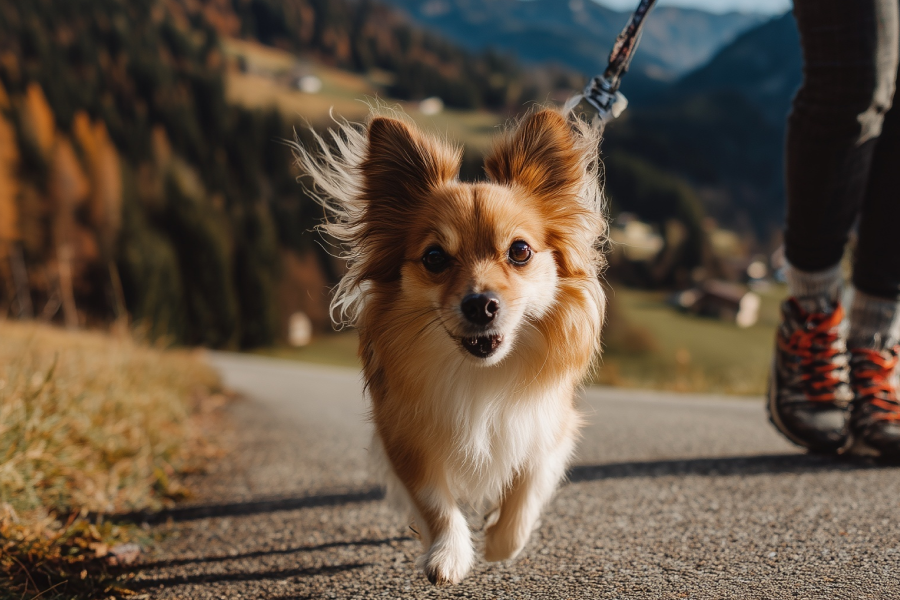
Schedule regular vet checkups for vaccinations and parasite prevention measures. Watch for signs of illness like lethargy or appetite changes promptly.
Brush teeth weekly with dog-safe products to maintain oral hygiene. These habits ensure your puppy develops strong and healthy into adulthood. Stay proactive to catch potential problems before they escalate.
Addressing Common Challenges in How to Raise a Puppy
Tackle biting and chewing behaviors head-on to protect your home and hands. Redirect to appropriate toys whenever your puppy nips during play. Teach “leave it” command to discourage unwanted mouthing habits.
Provide plenty of exercise to reduce boredom-driven destruction around the house. Supervise closely during teething phases to guide behavior effectively.
Handle separation anxiety by gradually increasing alone time in the crate. Use comforting items like a blanket with your scent for reassurance.
Avoid dramatic goodbyes or hellos to normalize departures and returns. These techniques help your puppy adapt to independence without distress. Persistence pays off in creating a calm and content pet.
How to Raise a Puppy: Understanding How Long Does It Take to Train a Puppy
Many owners ask how long does it take to train a puppy and find the answer varies by breed and consistency.
Basic obedience often takes four to six weeks with daily practice sessions. House training typically wraps up in one to three months for most breeds.
Advanced skills like leash walking improve over several months of reinforcement. Factors like age and prior experiences influence the timeline significantly.
Set realistic expectations and celebrate incremental progress along the way. Adjust methods if your puppy struggles with certain concepts.
Seek professional help for persistent issues to accelerate learning. This knowledge empowers you to stay committed through the training journey. Remember, every puppy learns at their own unique pace.
Advanced Techniques in How to Raise a Puppy
Incorporate clicker training for precise marking of desired behaviors in your routine. This tool enhances communication and speeds up learning for complex tricks.
Gradually introduce leash training with short walks in quiet areas. Use harnesses for comfort and control during these initial outings. Build recall skills in enclosed spaces before testing in open environments.
Explore agility exercises to boost physical fitness and mental stimulation. Set up simple obstacles at home for fun bonding activities.
These methods keep training engaging and prevent stagnation in progress. Adapt to your puppy’s energy levels for maximum effectiveness. Advanced approaches elevate your skills as an owner over time.
A Real Story From a Busy Puppy Parent
I recently chatted with Emily, a busy mom from Texas who brought home a lively Labrador pup last spring. She shared how the New Puppy Training Starter Guide transformed her chaotic first weeks into smooth sailing.
My little Max stopped having accidents indoors after just two weeks, and socialization tips helped him make doggy friends without all the drama.
It’s like having a pro trainer in my pocket, and printing it out made it super easy to reference during those midnight potty runs.
Seriously, it saved my sanity and made us best buddies faster than I imagined.” Emily’s enthusiasm highlights how resources like this deliver real results while keeping things light-hearted and doable for everyday folks.
How to Raise a Puppy: Maintaining Progress
Continue reinforcing learned behaviors as your puppy enters adolescence stages. Increase challenge levels in training to match their maturing capabilities.
Address any regression promptly with refresher sessions on key skills. Keep socialization ongoing to adapt to new life changes smoothly. Monitor health closely during growth spurts for any emerging needs.
Update the routine to fit an older puppy’s energy and independence levels. Introduce new commands to keep their mind engaged and sharp.
Celebrate milestones like completing puppy classes with special treats. This ongoing effort ensures a well-mannered adult dog emerges. Stay consistent to reap the rewards of your early investments.
The New Puppy Training Starter Guide offers comprehensive benefits like step-by-step plans that fit busy lifestyles perfectly.
Users appreciate the printable format for quick access during training moments. It covers everything from house rules to fun socialization ideas that build confident pups. Many find the four-week structure especially helpful in establishing habits early.
How to Raise a Puppy: Preparing for Long-Term Success
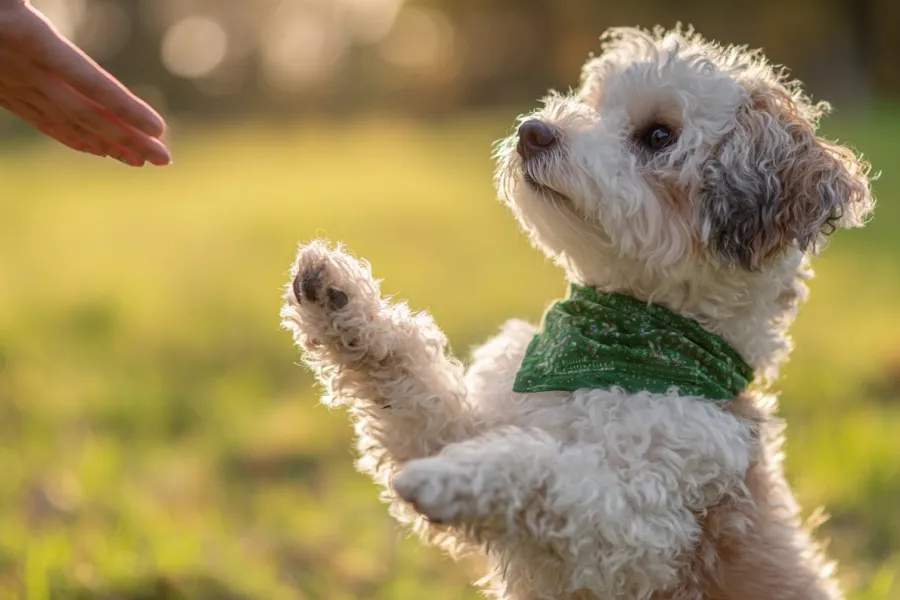
Plan for your puppy’s future by researching breed-specific needs and tendencies. Enroll in obedience classes for professional feedback on your techniques.
Build a support network of fellow owners for tips and encouragement. Invest in quality gear that lasts through growth phases efficiently. These steps secure a harmonious life together for years ahead.
Anticipate changes like teething or energy surges with proactive strategies. Keep learning through books and online communities dedicated to dog care.
Adjust your home setup as your puppy grows larger and more active. This foresight minimizes surprises and maximizes enjoyment. Commit to lifelong education for the best outcomes.
The New Puppy Training Starter Guide stands out for its beginner-friendly layout and actionable advice on commands and routines.
It empowers owners to handle challenges with ease and confidence. Benefits include faster training times and stronger bonds from proven methods. Countless families credit it for turning novice mistakes into expert successes.

Was this article helpful?
Yes
No
Leave a comment