Most people blame attitude when they misread cats body language, because cats love subtle hints and quick boundaries.
You can avoid so many scratches and standoffs when you learn the early signals. You do not need mystical cat powers, just better observation and better timing.
Cats communicate all day, but they rarely shout their feelings. They whisper with ears, whiskers, tail motion, and tiny pauses. When you notice those patterns, you respond sooner and your cat relaxes faster.
Cats Body Language That Signals Comfort
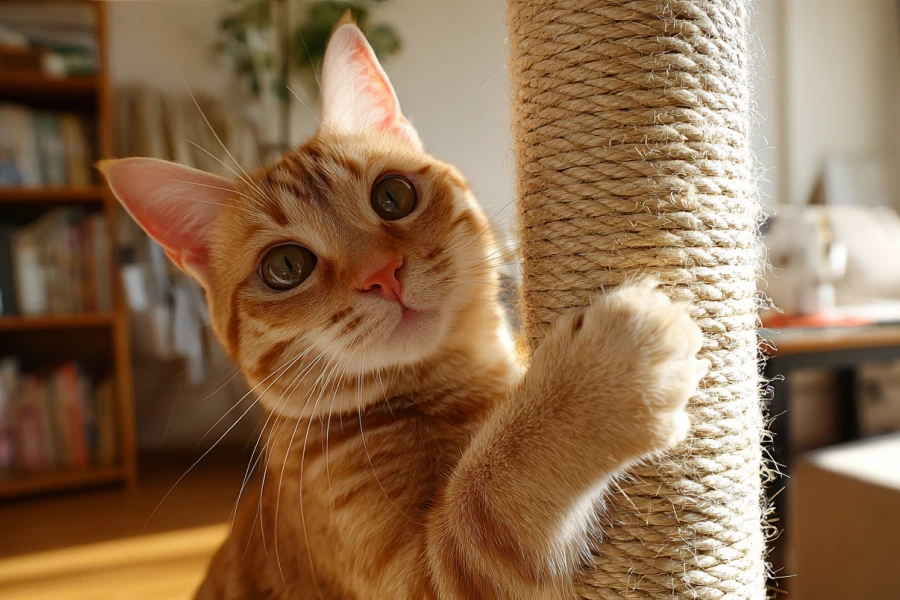
A relaxed cat looks loose, not rigid, and you can see that softness in seconds. They sit with tucked paws, soft eyes, and a calm tail that rests naturally. They blink slowly, breathe evenly, and move without sudden tension.
Watch the ears first, because ears switch positions quickly during mood changes. Ears that face forward usually show curiosity and comfort in a calm setting.
Ears that rotate sideways often signal uncertainty, especially during noise or movement.
Now look at whiskers, because whiskers act like a mood antenna. Neutral whiskers sit gently outward without dramatic forward thrust. Whiskers that push forward often show excitement, focus, or hunting mode.
Finally, check tail posture, because it adds context to everything else. A tail that stands upright with a soft curve often signals friendly confidence. A tail that wraps around the body often signals caution or self-soothing.
When your cat shows comfort signals, keep your actions predictable and gentle. Move slowly, speak softly, and let them approach instead of chasing attention. Comfort grows when your cat feels control over distance.
The Baseline Habit That Makes Every Signal Easier
Every cat has a “normal,” and that baseline makes your reads more accurate. Some cats greet with head bumps, while others greet with a polite stare. Some cats love lap time, while others love being near, not on.
Pick three calm moments each day and observe your cat for one minute. Watch them after a nap, after a meal, and during quiet evening time. Write down ear position, tail stillness, and how they accept touch.
This tiny habit helps you spot patterns tied to temperament, not just mood. You start seeing what “cautious,” “confident,” or “busy” looks like for your cat. That matters because you live with pets with personality, not generic pets.
Cats Body Language That Signals Stress
Stress often looks like “random behavior,” but your cat follows a logic you can learn. The tail tip starts flicking, the body tightens, and the ears rotate back. Your cat might freeze, stare, or leave without warning.
Tail motion gives the earliest clues in many cats. A slow swish often shows irritation building, especially during petting. A sharp flicking tail often shows higher arousal or frustration.
Now watch the skin and fur, because the coat tells you about nervous energy. You might see rippling skin along the back during overstimulation. You might also see puffed fur during fear or defensive readiness.
Cats also show stress through displacement behaviors that seem silly. They overgroom, scratch nearby furniture, or lick their lips quickly. Those actions help them cope, but they also warn you.
Stress usually comes from one of three problems: too much handling, too little enrichment, or too little control. You can fix all three with small changes that add choice and predictability.
If you want a practical guide for reading stress and comfort levels, A Complete Guide to Decoding Dog and Cat Behavior for Better Care and Training covers common owner mistakes and simple adjustments that fit real life.
Stop The Behavior Loop Without A Power Struggle
Many owners want quick fixes, but cats respond better to smart setups. Your cat does not “plot revenge,” even when it feels personal. They repeat what works, and they avoid what feels unsafe.
Start by finding the trigger, because the trigger drives the reaction. Does your cat bite during petting, jump on counters, or swat at ankles? Look for the moment right before the behavior, not after it happens.
Then change the environment so your cat can choose a better option. Add a scratching post near the problem area, not across the house. Add a perch near the window, so your cat climbs legally.
If you want a deeper approach to how to correct cat behavior, focus on reward timing and predictable routines.
Feed at consistent times, schedule play, and end play with a small meal. Those simple cycles reduce chaos because your cat expects what happens next.
Avoid yelling and chasing, because that teaches fear, not skills. Use calm redirection, reward the alternative, and repeat with patience. Your cat learns faster when you stay consistent and emotionally boring.
Cats Body Language During Petting And Play
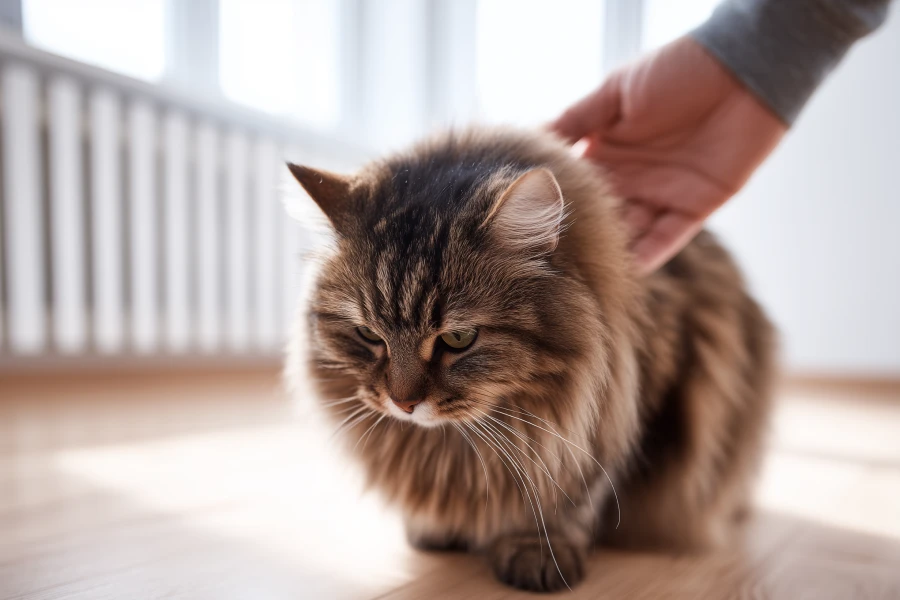
Petting often causes confusion because cats enjoy touch in short, specific ways. They might love cheek rubs but hate full-body strokes. They might tolerate touch for a minute, then hit a hard boundary.
Watch for early signs of overstimulation during petting. The tail starts flicking, the back tenses, and the ears rotate back. Your cat might also stop purring and hold their breath briefly.
When you see those signs, stop petting before the bite or swat. Pause, let your cat move, and offer a treat away from your hand. This builds trust because your cat feels heard.
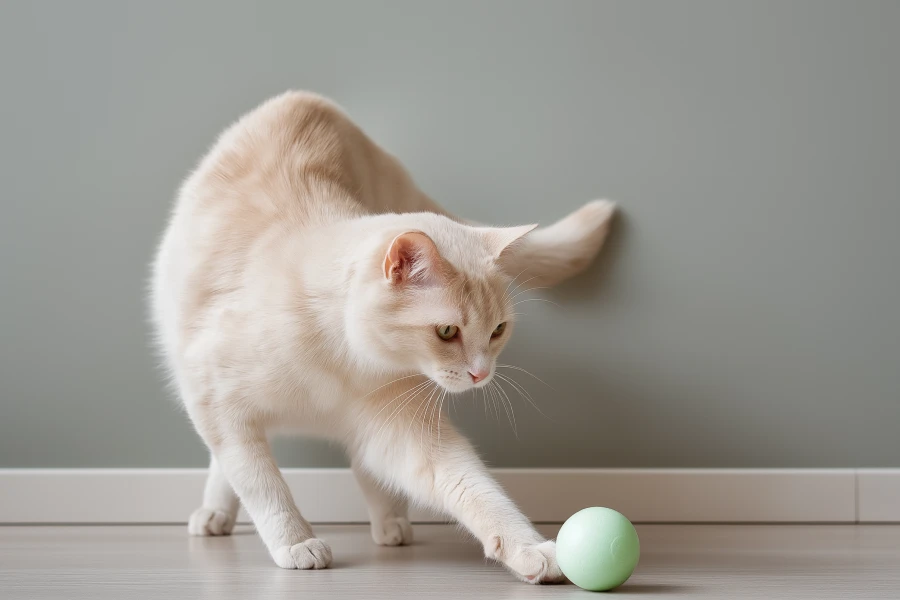
Play has its own signals, and play helps behavior more than scolding. A playful cat shows forward ears, focused eyes, and quick stalking movement. A stressed cat shows low posture, tense tail, and sudden fleeing.
Use short play sessions that match your cat’s energy. Aim for five to ten minutes, then let them “win” the toy. End with a snack, so the hunting cycle feels complete.
When You Also Share Life With A Dog
Dogs and cats can get along beautifully, but they communicate differently. Dogs often approach quickly, and cats often prefer slow distance changes. That mismatch creates tension, even in friendly homes.
Set rules that protect both animals and keep interactions calm. Give the cat vertical space, like shelves or a tall cat tree. Teach the dog a mat cue and reward calm stillness near the cat.
If you also want help with how to read dog body language, look for weight shifts, mouth tension, and stiff posture.
Those cues tell you when your dog feels overexcited or unsure. You can then add distance before the cat feels trapped.
This is where temperament really matters, because each animal brings their own style. One bold cat may tease the dog, while one sensitive cat may hide all day. A plan that respects temperament prevents constant conflict.
A Buyer Story That Felt Weirdly Relatable
One buyer I spoke with told me she bought A Complete Guide to Decoding Dog and Cat Behavior after her cat started “randomly” biting during cuddles. She said, “I honestly thought she woke up and chose drama, because the switch felt instant.”
Then she laughed and added, “Turns out, I missed the warning signs for months, like I ignored a tiny stop sign.”
She explained how she started watching ear rotation and tail flicks like a little mood forecast. She stopped petting before the bite, tossed a treat away, and gave her cat space. “Now she climbs back onto my lap on her own, which feels like a personal victory,” she told me.
That story matters because it sounds like real life, not a training demo. You do not need perfection, you need better timing and fewer forced moments.
Cats Body Language: A Simple Way To Keep Progress Going
Pick one situation to improve first, because focus speeds up results. Choose petting, play, feeding, or introductions with guests. Then track changes for seven days, because patterns show up quickly.
Use this easy weekly rhythm:
- Do Two Short Play Sessions Each Day, Then End With A Small Snack.
- Offer One Calm Touch Session, Then Stop Before Your Cat Shows Irritation.
- Add One New Enrichment Option, Then Rotate It Before Your Cat Gets Bored.
- Practice One Calm Dog Cat Moment, Then Reward Stillness And Respect Distance.
When you repeat these steps, your cat learns predictable safety. Your home feels calmer because you prevent problems instead of reacting late.
For extra structure, Understanding Your Pet’s Temperament includes temperament categories, stress and comfort checks, and even a section on using apps and AI tools for behavior tracking.
The Real Win Feels Quiet And Daily
You will not “fix” your cat in one big moment, because cats build trust through hundreds of tiny moments. Each time you respect a signal, your cat relaxes a little more.
Each time you push past a boundary, your cat remembers.So aim for calmer patterns, not perfect obedience.
Notice the earliest cues, adjust your approach, and reward calm choices. Over time, your cat starts choosing you more often, because you make life feel safe.



Comments
[…] since most of us need a break and a laugh every now and then, Cats’ Body Language That Explains the Sweet One Minute, Spicy the Next Mood is a light, relatable article that turns fluffy feline behavior into a fun […]
[…] you’re welcoming a cat through home to home adoption, this guide will help you decode what your feline friend is feeling minute by minute so you understand them […]
[…] to subtle cues also matters in other areas of life. Observing details in behavior, like in cats body language that explains the sweet one minute spicy the next mood, sharpens awareness. Makeup works similarly because tiny adjustments create noticeable […]
[…] outside beauty, attention to detail matters deeply. Observing subtle cues like those described in cats body language that explains the sweet one minute spicy the next mood sharpens awareness. Makeup technique relies on that same observation of […]